


Key Takeaways
- Loneliness often increases with age due to life transitions, physical challenges, and loss of social connections
- Social isolation can impact both physical and mental health, potentially accelerating cognitive decline
- Assisted living communities provide daily opportunities for connection through shared dining, activities, and common spaces
- Trained staff play a key role in helping residents build relationships and feel valued
- Family connections remain strong through open visiting policies and special events
Watching a loved one become more isolated can be deeply concerning. You may notice fewer phone calls, a loss of interest in once-loved activities, or a quieter presence during family visits. As routines change and social circles naturally shift with age, many older adults begin to feel disconnected, even when they’re surrounded by people who care about them.
Assisted living communities are designed to help ease that sense of isolation by creating natural opportunities for connection every day. Through shared meals, engaging experiences, and supportive team members who understand the importance of emotional well-being, residents are welcomed into an environment built around friendship, purpose, and a true sense of belonging.
Why Does Loneliness Become More Common as We Age?
Life has a way of gradually shrinking social circles, often without anyone really noticing until the loneliness sets in. Your loved one may have lost close friends to illness or relocation, or perhaps retirement removed the daily interactions they once enjoyed at work. These transitions happen naturally, but they can leave someone feeling unexpectedly isolated.
Physical challenges add another layer to this problem. When walking becomes difficult or driving feels unsafe, your loved one might start declining invitations or stop making plans altogether. Even simple tasks like grocery shopping, which once provided brief but meaningful social moments, can become obstacles rather than opportunities for connection.
Technology barriers can make modern communication feel frustrating rather than helpful. While you might suggest video calls or social media, these tools can feel overwhelming or impersonal to someone who values face-to-face conversation and genuine human warmth.
What Are The Health Risks of Social Isolation?
Loneliness affects more than just mood — it can impact your loved one’s physical health in ways that might surprise you. When someone spends too much time alone, their body responds with stress that can weaken their immune system and increase inflammation. You might notice they catch colds more often or seem to recover more slowly from minor illnesses.
The mental and emotional effects often show up as changes in sleep patterns, appetite, or general outlook on life. Your once-optimistic loved one might seem more anxious or lose interest in things that used to bring them joy. These shifts can be gradual, making them easy to attribute to normal aging rather than recognizing them as signs of social isolation.
Perhaps most concerning is how loneliness can affect cognitive function. When your loved one doesn’t have regular stimulating conversations or engaging social activities, their mind may not stay as sharp. Social interaction naturally exercises memory, problem-solving skills, and emotional regulation in ways that solitary activities simply can’t match.
How Assisted Living Creates Natural Opportunities for Connection
Shared Dining Experiences
Picture your loved one sitting down to a warm meal in a welcoming dining room where conversation flows as freely as the coffee. In assisted living, mealtimes become social events rather than solitary tasks. Your loved one can enjoy delicious, thoughtfully prepared meals while chatting with neighbors about everything from grandchildren to favorite books.
The dining room becomes a natural gathering place where friendships form over shared stories and gentle laughter. Special dining events, like holiday celebrations or themed dinners, add extra sparkle to the routine and give everyone something to look forward to together.
Engaging Activities and Programs
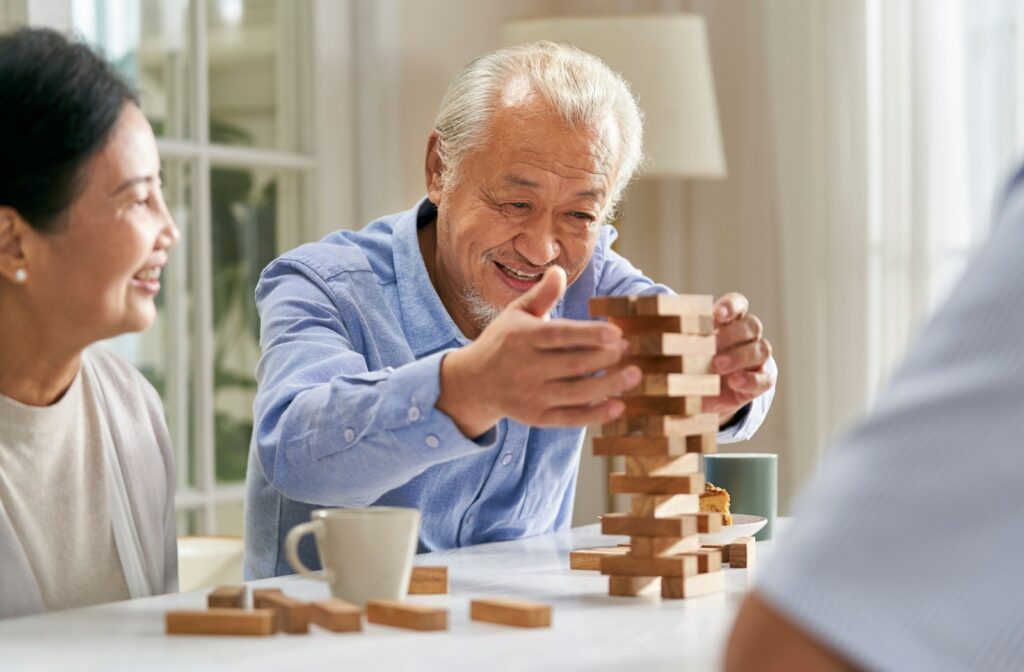
Every day brings opportunities for your loved one to explore interests both old and new. They might rediscover their love of painting in an art class, find themselves humming along in music therapy, or feel their muscles gently stretching in a chair exercise session designed for their comfort level.
These activities aren’t just about keeping busy — they’re about connecting with others who share similar interests. Your loved one might find a kindred spirit in crafts class or develop an unexpected friendship with someone in the chapel services. Each program becomes a doorway to new relationships.
Common Areas That Encourage Interaction
Comfortable lounge areas invite spontaneous conversations over morning tea or afternoon card games. Your loved one can settle into a plush armchair with a book and naturally find themselves chatting with someone who notices they’re reading the same author.
Beautiful outdoor courtyards provide peaceful spaces where residents can enjoy fresh air together, perhaps sharing stories on a garden bench or simply enjoying the quiet companionship of watching birds visit the aviaries. These spaces feel like home because they’re designed for real life, not just care.
The Role of Compassionate Staff in Reducing Isolation
The staff at assisted living communities understand that a warm smile and genuine interest in someone’s day can make all the difference. Your loved one receives daily check-ins that feel like visits from caring friends rather than clinical assessments. Staff members take time to learn about each resident’s personality, preferences, and history.
Trained team members can recognize when someone might be feeling lonely and gently encourage connections with other residents who share similar backgrounds or interests. They might introduce your loved one to someone who also grew up in the same town or worked in a similar profession.
This personal attention helps your loved one feel seen and valued as an individual. Staff members remember that your loved one prefers tea over coffee, enjoys crossword puzzles, or lights up when talking about their garden back home. Research shows that these details matter because they show that your loved one’s unique qualities are noticed and appreciated.
Come See Where Daily Life is Filled With Connection and Joy
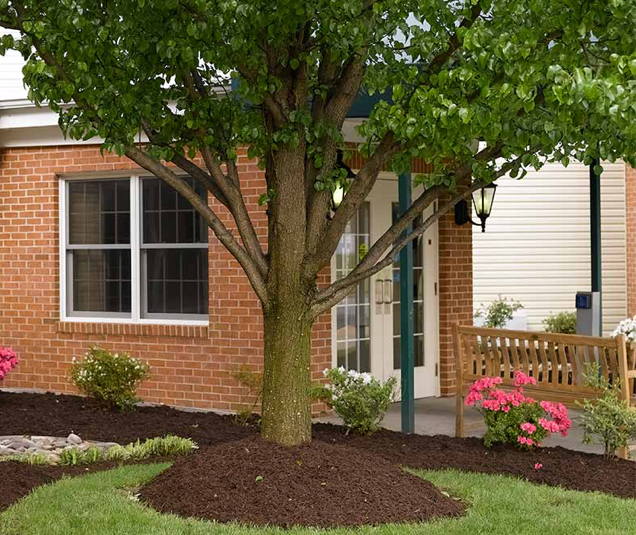
At Peregrine Senior Living at Salisbury, connection is woven into everyday life. From shared meals and engaging programs to thoughtful common spaces and a team that takes the time to truly know each resident, the community is designed to help people feel seen, included, and valued. Here, relationships aren’t forced — they form naturally through moments of togetherness.
If you’re concerned about a loved one feeling isolated, scheduling a tour can be an important first step. Schedule a tour today to see how assisted living can support daily connection, companionship, and a stronger sense of belonging for your loved one.









"To plant a seed is to believe in tomorrow" Audrey Hepburn
Assisted Living Residents planting Oxalis Shamrocks ... See MoreSee Less
0 CommentsComment on Facebook
Happy Hour with Dawn Williams ☀️ ... See MoreSee Less
0 CommentsComment on Facebook
Every day is an opportunity to connect, celebrate, and find joy together.
Our team plans experiences that reflect residents’ interests and passions, from creative art workshops to themed socials and community outings.
These moments of laughter, learning, and togetherness remind us that life is meant to be lived fully and shared freely.
peregrinesalisbury.com/ ... See MoreSee Less
1 CommentsComment on Facebook
Residents participating in National MAR10 Day! ... See MoreSee Less
2 CommentsComment on Facebook
... See MoreSee Less
0 CommentsComment on Facebook
Today, we honor the women who inspire, lead, nurture, and create change—in our community and across the world.
From the residents who share their wisdom to the team members who give so selflessly, each one brings strength and grace that uplift everyone around them.
Happy International Women’s Day to the women who make life at Peregrine so beautifully full of heart. 💜🪻
peregrinesalisbury.com/ ... See MoreSee Less
0 CommentsComment on Facebook
“A cookie is never too pretty to eat.” - Martha Stewart.
Memory Care residents made spider cookies for National Oreo Day! ... See MoreSee Less
0 CommentsComment on Facebook